“The Student Conductor” by Robert Ford
The Student Conductor is a touching, bittersweet story of a man learning how to pursue the things he loves—and what could stop him from doing so.

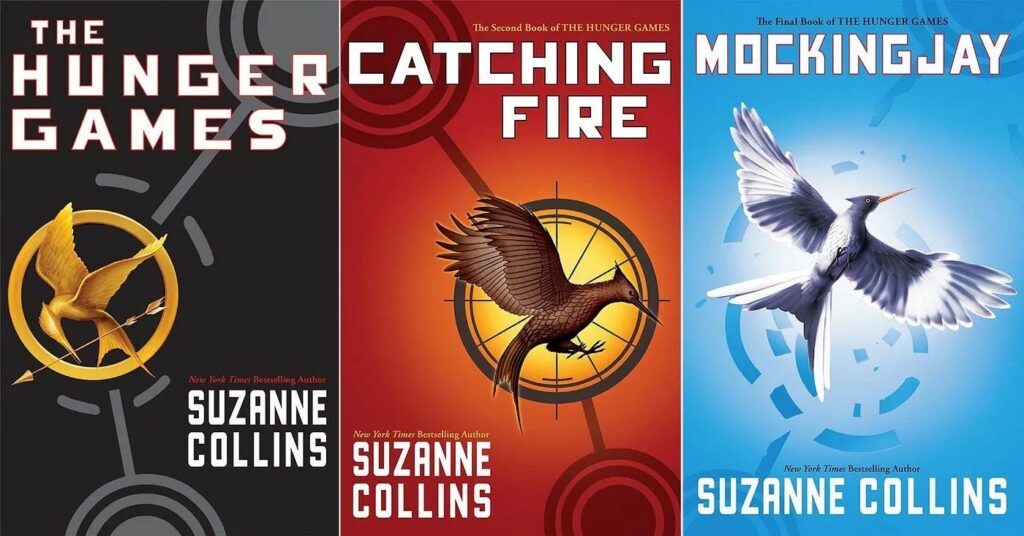
“The Hunger Games” trilogy by Suzanne Collins
The Hunger Games trilogy highlights many important aspects of tyranny and rebellion, the most important of which is that pursuing your values requires freedom.
“Do Androids Dream of Electric Sheep?” by Philip K. Dick
Empathy, religion, war, and social hierarchies in Dick's 1968 sci-fi classic.
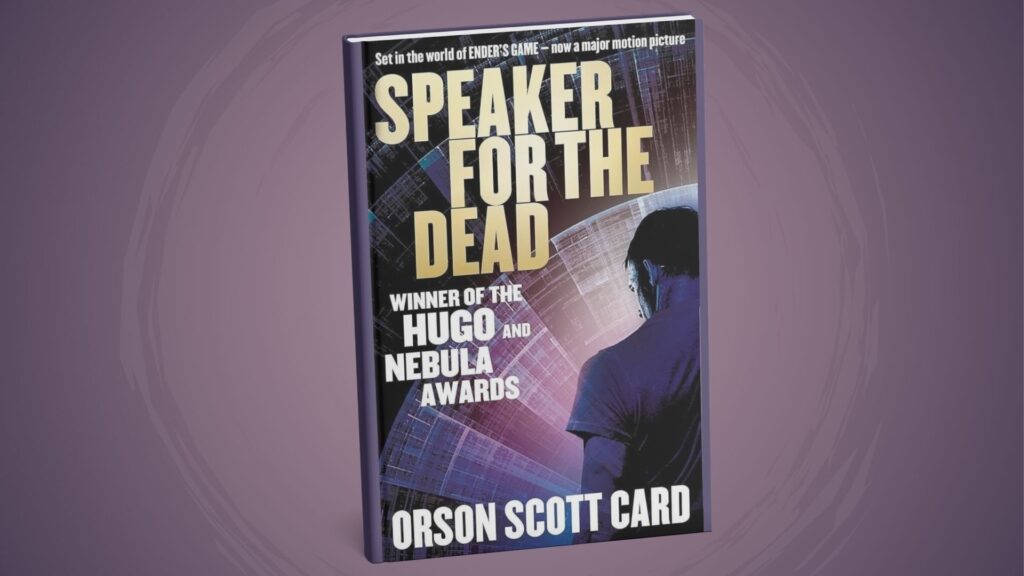
“Speaker for the Dead” by Orson Scott Card
Speaker for the Dead uses some bizarre sci-fi concepts to explore important moral issues—hitting the nail on the head on some, but muddying the waters on others.
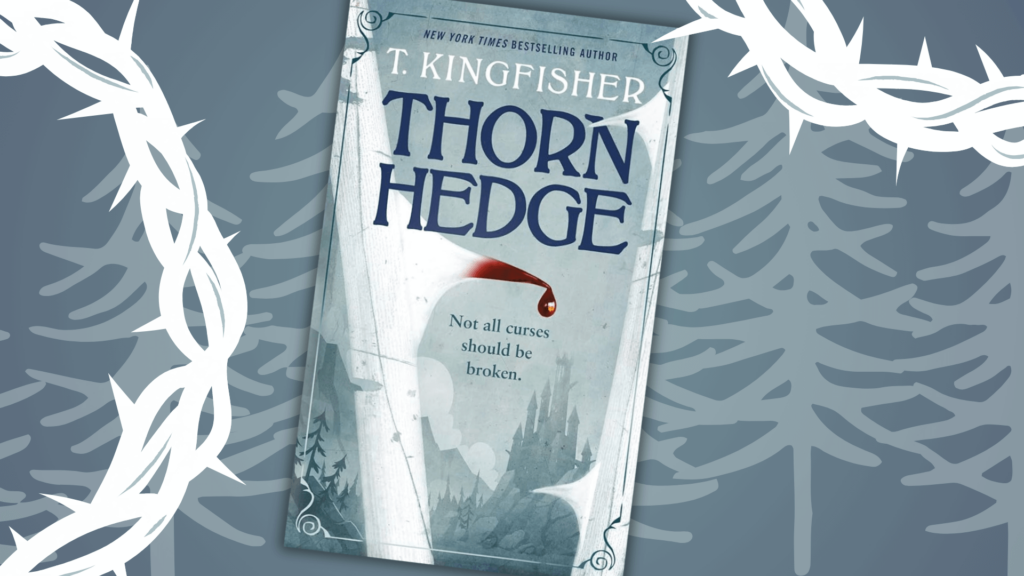
Self-Concept in Thornhedge
This fun fantasy novella offers an opportunity to reflect on identity and self-esteem.
“The Testaments” by Margaret Atwood
This spinoff to The Handmaid’s Tale, set in the same tyrannical theocracy (the Republic of Gilead), alternates between the perspectives of three very different women. Aunt Lydia, the only character who’s in...
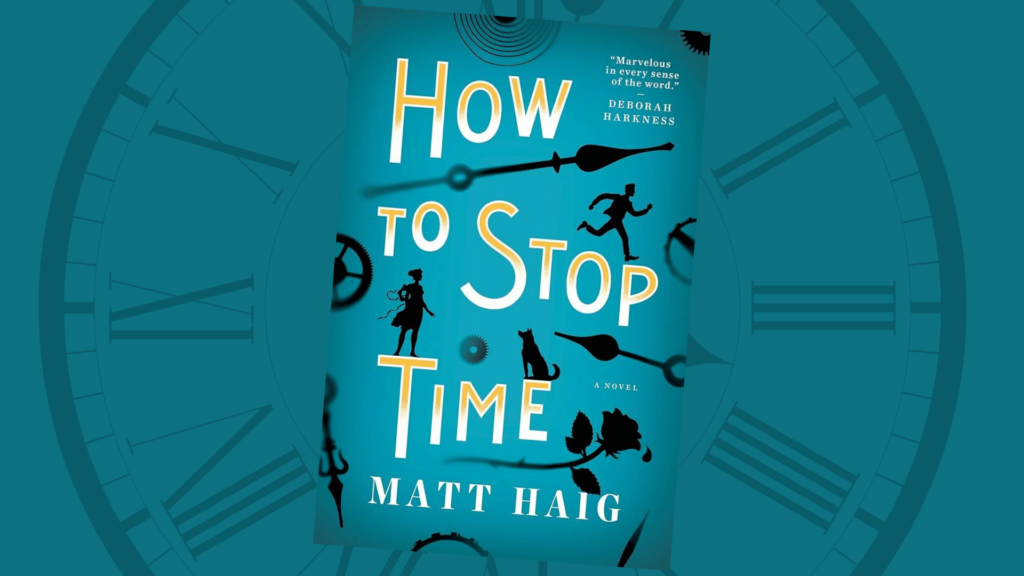
“How to Stop Time” by Matt Haig
How would you handle the fear of loss and create a purpose if you lived fifteen times longer than everyone around you?
Dystopian Fiction: Worlds without Rights
I discuss how dystopian novels can demonstrate the importance of individual rights, using Lois Lowry’s "The Giver" as my primary example.
“The Fountainhead” Reading Group
Architect Howard Roark wants to erect buildings “such as had never stood on the face of the earth.” But his innovative approach sparks resentment and resistance. Even the woman he...
Self-esteem in “Ender’s Game”
Can you imagine a threat serious enough to justify (in anyone’s mind) training children in combat?
What 1984 Got Wrong and Right (Philosophically)
George Orwell’s iconic 1984 certainly contains some important insights, but its view of authoritarianism has a few notable flaws.
The Fundamental Flaw Undermining “The 7 Habits of Highly Effective People”
The book provides a standout example of the essential importance of being critical and paying close attention to the ideas implicit in books on self-improvement and good living, not just their surface-level advice.